
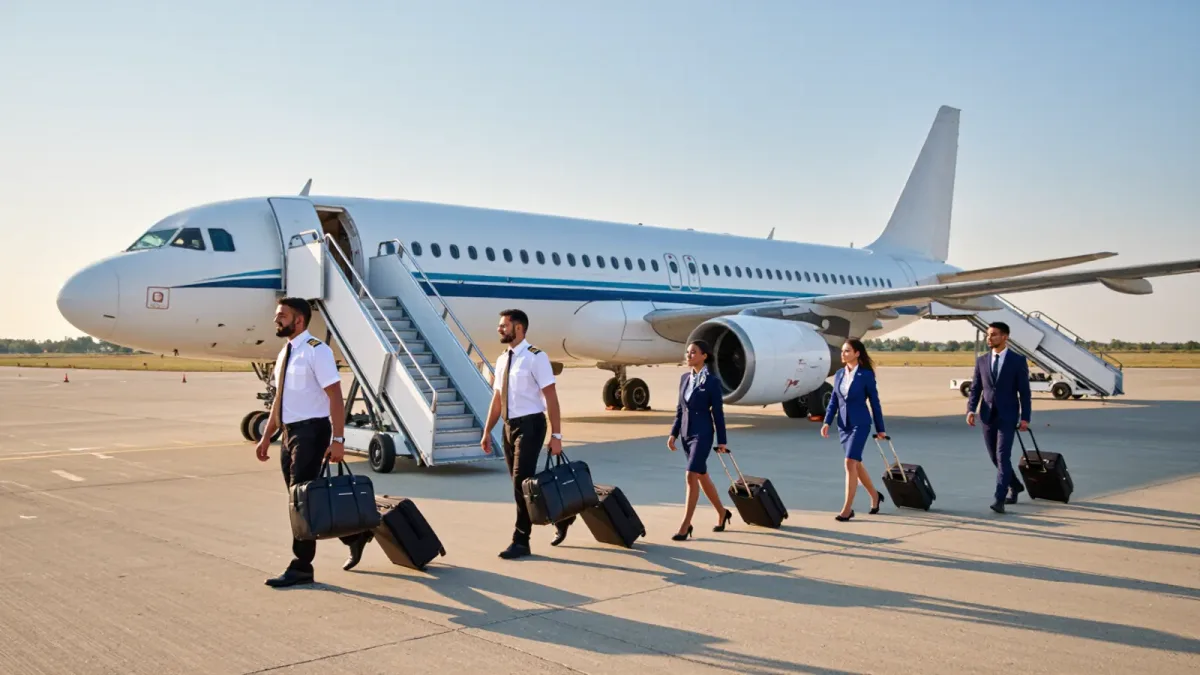
An ACMI wet lease is a capacity contract in which a lessor provides the Aircraft, Crew, Maintenance and insurance while the hiring airline sells the seats under its own flight numbers and brand. The arrangement lets a carrier add aircraft in weeks rather than the years a new delivery takes, and it is why a familiar livery sometimes covers a route flown by an unfamiliar airframe and, on damp leases, a foreign crew.
Wet leasing sits at the boundary of airline operations and regulation — crewing rules, safety oversight and consumer disclosure all touch it — which is why the structure of each lease type matters to travelers as well as finance desks. AGLA News publishes information, not legal or business advice.
What do the lease types mean — wet, damp, dry?
The spectrum runs by who supplies what. A wet lease (ACMI) transfers the full flying package: aircraft, pilots, cabin crew, maintenance and insurance, with the lessor operating the aircraft under its own air operator's certificate. A dry lease hands over the aircraft alone, and the lessee crews, maintains and insures it under its own certificate — the standard arrangement for fleet growth. Between them, damp leases bundle some elements, typically aircraft plus maintenance plus insurance but not crew, or crew plus maintenance without insurance. Pricing follows the package: ACMI is quoted per block hour plus fixed monthly charges, dry leases at a monthly rate, which is why the ACMI bill scales directly with the flying the lessor actually performs.
Related stories: Fifth Freedom Flights Explained: When a Foreign Airline Flies Between Two Other Countries · Why Airlines Overbook Flights and What Denied Boarding Compensation Pays.
When do airlines reach for a wet lease?
Four recurring scenarios. Seasonal surge: a leisure carrier doubles a summer program without wintering idle aircraft, hiring capacity for the peak weeks only. Schedule rescue: after groundings — an engine issue, an aircraft delivery shortfall — a wet lease keeps published routes operating while the fleet problem is fixed. Route entry: an airline tests a market with chartered-in capacity before committing owned metal. And staffing gaps: where pilot supply lags a growth plan, a wet-leased aircraft arrives with its own crews, buying time for the lessee's training pipeline. Lessors' ACMI fleets have grown into a visible industry segment, with dedicated wet-lease operators running dozens of aircraft on multi-year seasonal contracts for carriers across regions.
How does the regulation treat it?
Because a wet-leased aircraft flies under the lessor's operating certificate, safety oversight follows the lessor's regulator, and cross-border leases require approvals from both authorities — the lessee's regulator must accept foreign-crewed operations on its domestic routes, which several jurisdictions restrict or require disclosure for. Consumer rules generally attach to the selling airline: the ticketing carrier's contract of carriage, delay obligations and refund duties apply even when another airline's crews and airframe perform the flight. For the traveler, the practical effects are small but real — safety cards and crew accents differ, and some loyalty programs restrict mileage earning on wet-leased segments, a detail buried in program earning rules.
What does the lease cost against the alternatives?
ACMI is expensive per hour by design: the lessor carries idle time, crew bases and maintenance risk, and prices them into the hourly rate, which for a mid-size narrowbody runs well above the direct operating cost of owned metal. Against that, the lessee avoids capital, keeps balance-sheet flexibility, and can shed capacity at contract end — an option with real value in a volatile demand cycle. The economics resolve simply: own the aircraft when the flying is steady and the fleet is core; lease them wet when the demand is spiky, the fleet is short, or the route is a bet. Most large carriers do both at once, which is why the global ACMI market keeps expanding.