The Technology Behind Modern Airline Pricing: How Algorithms Set Your Fare
Dynamic pricing systems watch demand, timing and competition, then adjust the fare you see at checkout — sometimes within minutes.
The engineering behind modern flying: engine and airframe efficiency, avionics and air traffic systems, cabin connectivity, hydrogen and electric programs, and sustainable fuel supply chains. Vendor claims get measured against certification timelines and production capacity. For readers who want the mechanism before the announcement.
Aircraft systems in plain terms.
Dynamic pricing systems watch demand, timing and competition, then adjust the fare you see at checkout — sometimes within minutes.
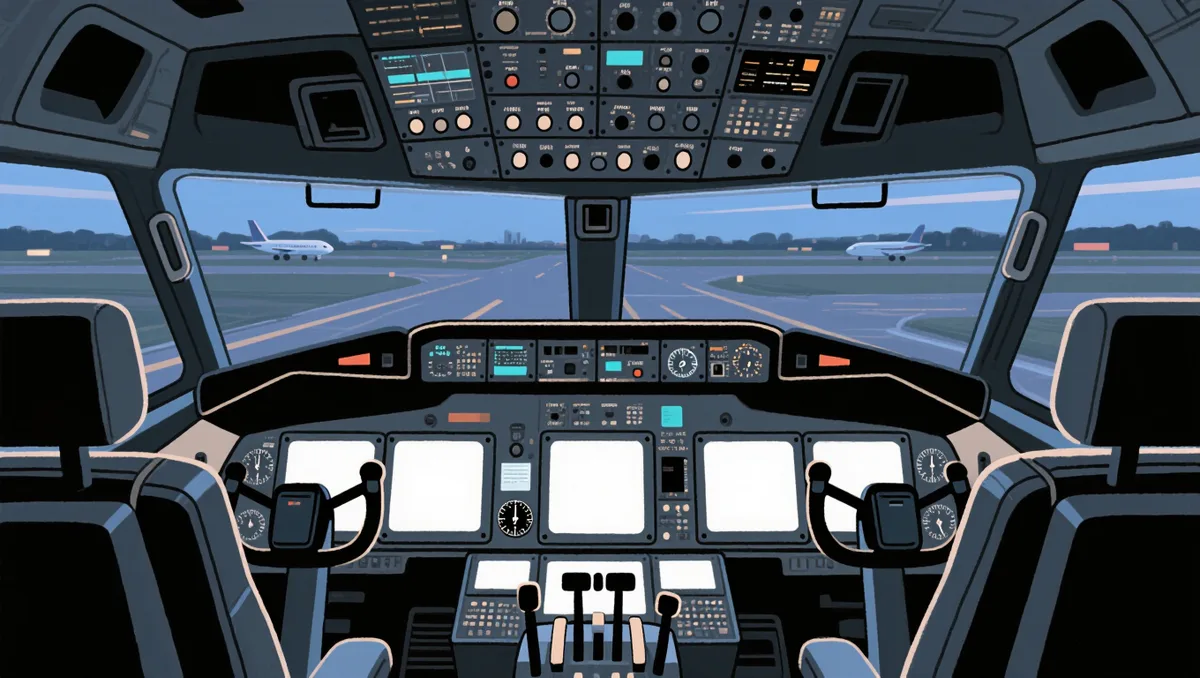
The mechanical dials that once filled flight decks have given way to integrated digital displays. Here is what changed, what pilots gain, and why it matters for safety.

A narrowbody with transatlantic range lets airlines fly routes widebodies could never pay for — the economics favor thinner city pairs.
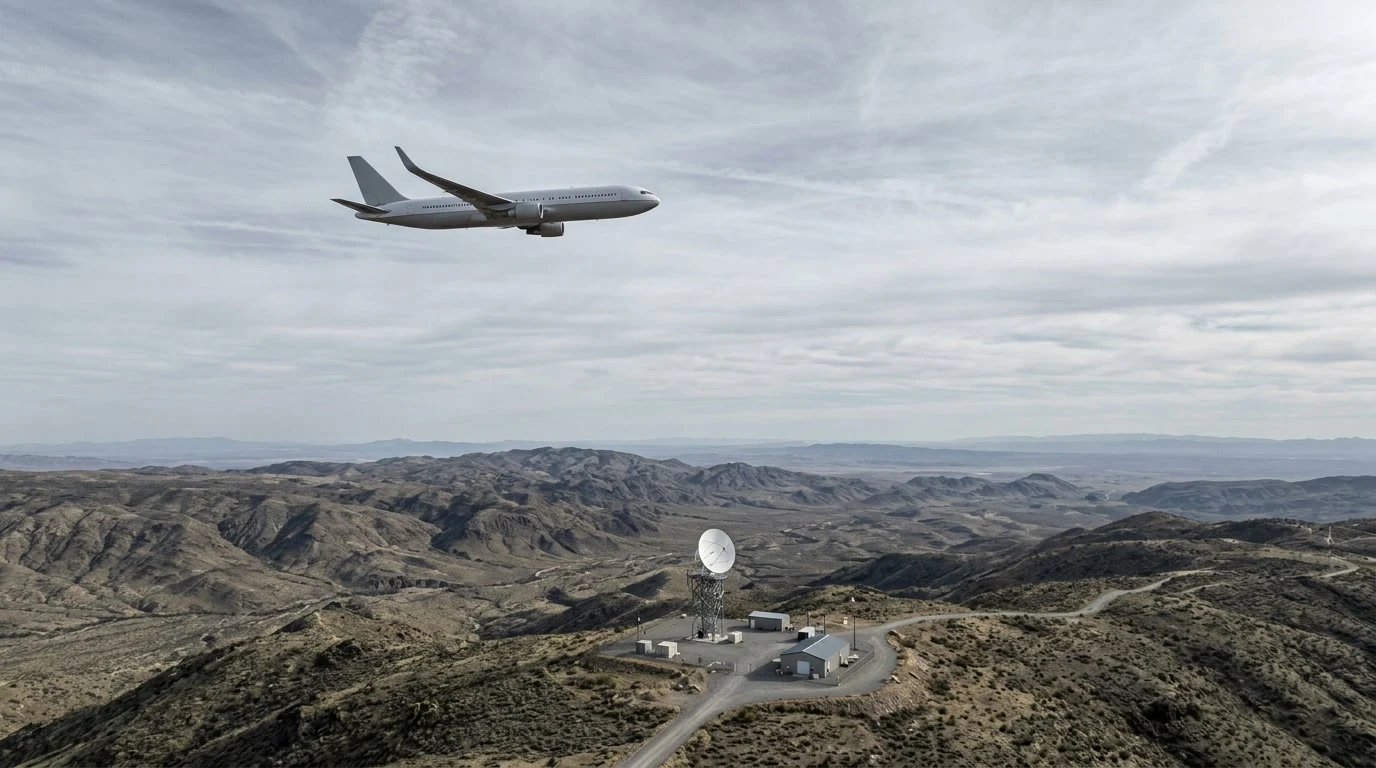
Aircraft fix their own position and shout it once a second on an unencrypted link. That single design choice explains the FAA mandate, the two U.S. frequencies, and why anyone with a receiver can watch.
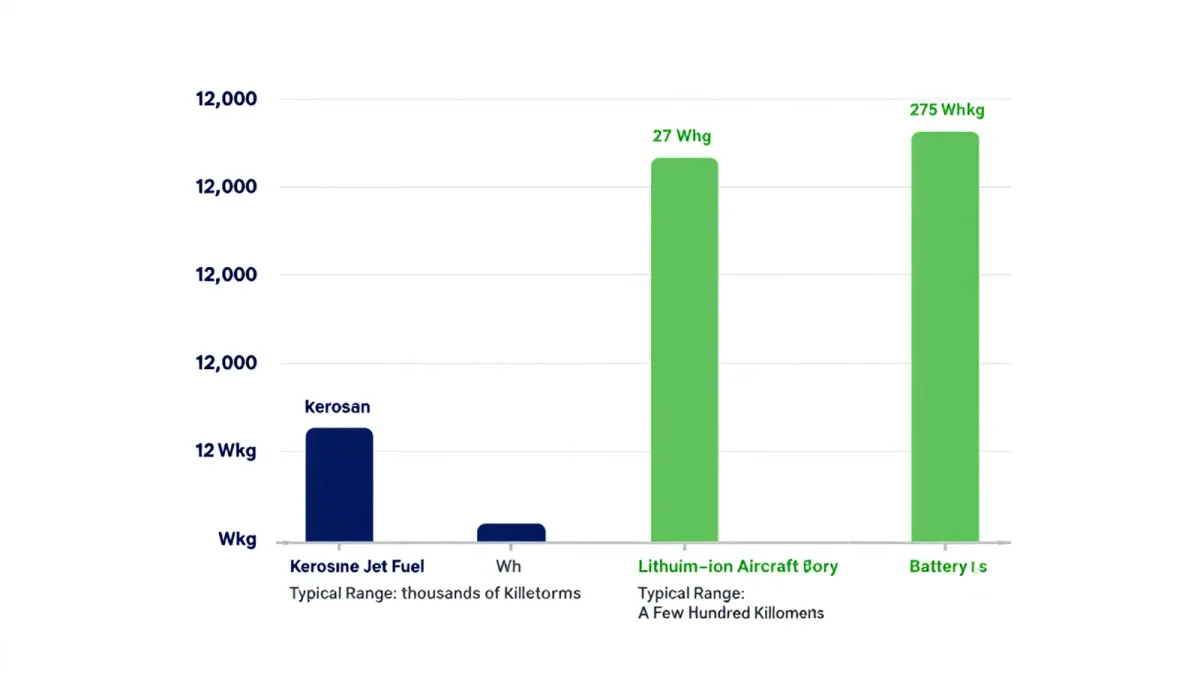
Battery energy density around 250-300 Wh/kg today versus jet fuel's roughly 12,000 Wh/kg explains why electric aviation starts at 30-minute ranges — and why certification, not chemistry, sets the near-term timetable.

Sensors across a modern airliner stream terabytes of engine and systems data to analysts who schedule part replacements weeks before failure — cutting delays that no traveler ever sees.